<
>
“For a smooth fuel switch between HFO-MGO and vice versa”
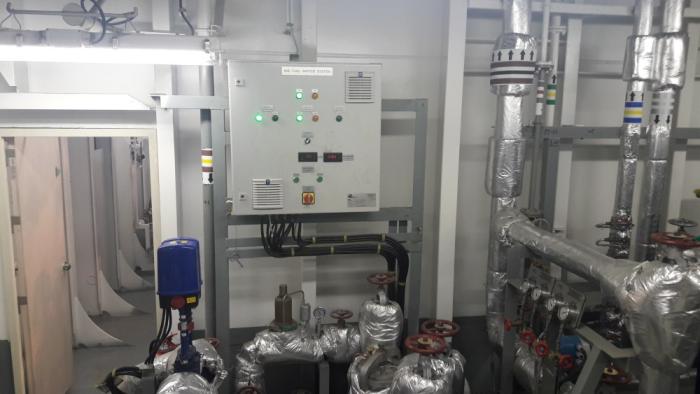
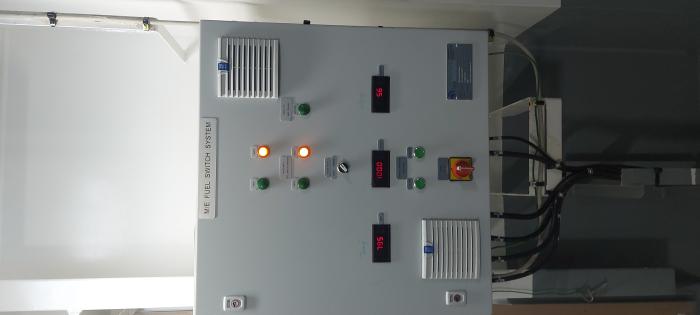
Supply Line Modification & HFO–MGO Fuel Switch
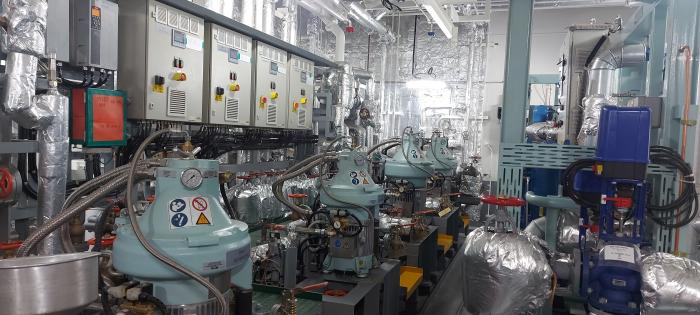
The transition between heavy fuel oil (HFO) and marine gas oil (MGO), and vice versa, is a critical operation for the safe and efficient performance of marine engines. Our supply line modification and fuel switching system has been specifically designed to ensure a controlled, reliable, and smooth change-over process, fully in line with engine manufacturers’ guidelines.
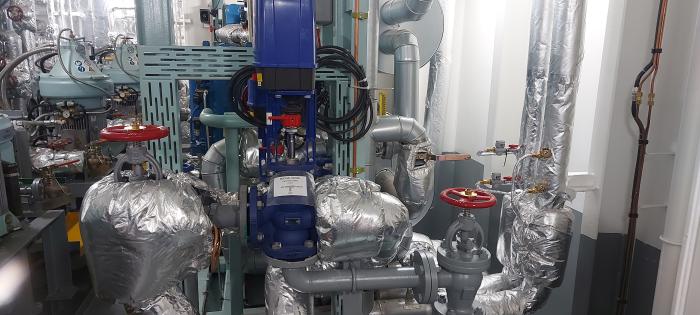
At the heart of the system lies a timer- and temperature/viscosity-controlled 3/2-way mixing valve (ARI Armaturen). The control unit receives continuous temperature feedback and governs the change-over process to maintain a maximum temperature variation of less than 2 °C per minute, thus avoiding thermal shocks or viscosity fluctuations that could otherwise damage fuel pumps, injectors, or other sensitive components.
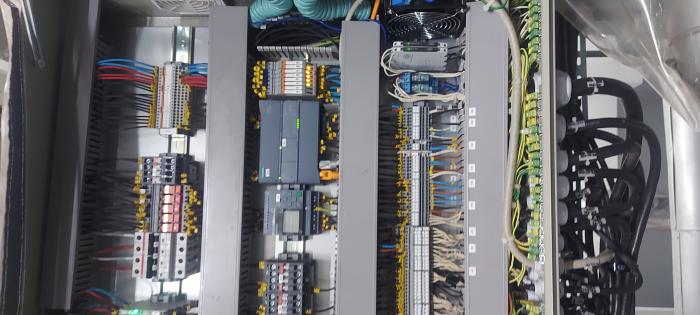
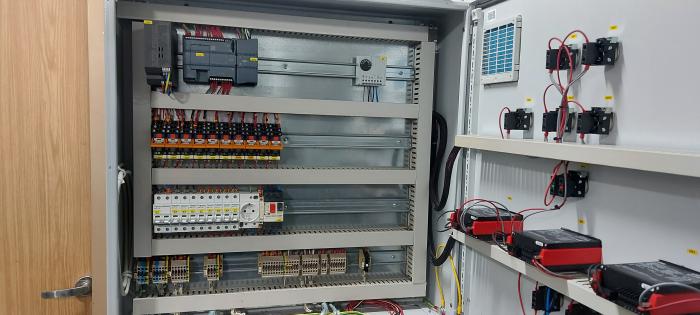
This carefully managed process eliminates the operational issues that often occur when fuels are switched abruptly, such as loss of lubrication, incomplete combustion, or excessive wear. In addition, the system’s premium-grade instrumentation and automation ensure reliability, repeatability, and compliance with international regulations.
The solution represents one of the most cost-efficient and practical options available on the market. It can be delivered as a standalone unit or in combination with Pantechnic’s MGO Cooler, forming a complete and fully integrated system for continuous MGO operation and safe dual fuel management. With robust design and long service intervals, the installation provides ship operators with confidence, flexibility, and reduced operating risks.
Why Pantechnic
With a strong engineering background and in-house fabrication capability, Pantechnic delivers turnkey fuel switch solutions — from design and panel construction to commissioning, crew training, and service.
Our systems represent one of the most cost-efficient, safe, and operator-friendly ways to ensure compliant, efficient, and reliable operation when transitioning between heavy and distillate fuels.

